
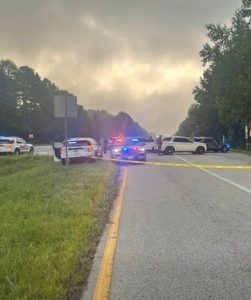
How Ordinary Situations Can Escalate Quickly
Incidents like this often begin without much notice. A report is made—sometimes by a concerned citizen, sometimes through routine monitoring—and officers are dispatched to assess the situation. In many cases, these initial responses are sufficient to resolve the issue. However, there are moments when what appears minor at first reveals deeper complexities.
In this case, the situation evolved rapidly. What began as a contained response soon required reinforcement. Additional units were deployed, emergency services were placed on alert, and authorities moved swiftly to establish control over the area. Such escalation reflects calculated decisions based on potential risks to both those directly involved and the wider public.
These developments highlight how unpredictable certain situations can be. Even trained professionals must adapt in real time, responding to changing conditions with precision and coordination.
The Importance of Establishing Secure Perimeters
One of the most immediate responses to a high-risk situation is the establishment of a controlled perimeter. This is a standard safety measure designed to create a clear boundary between the operational zone and the general public.
Typically, this involves:
- Outer boundaries that keep pedestrians and vehicles at a safe distance
- Inner zones reserved strictly for emergency personnel
- Designated access points for essential services
These measures create a structured environment where responders can operate safely and efficiently, reducing the risk of civilians entering dangerous areas.
A Noticeable Increase in Emergency Presence
For those near the affected location, one of the most visible aspects is the increased presence of emergency services. Multiple units often arrive, each with a specific role.
The scene may include:
- Law enforcement patrol units
- Tactical response teams
- Specialized vehicles
- Mobile command centers
While this can feel overwhelming, it reflects an organized and controlled response designed to manage the situation effectively.
Why Authorities Ask the Public to Stay Away
Public advisories urging people to avoid certain areas are issued to reduce unnecessary risk.
Key reasons include:
Rapidly changing conditions
Situations can evolve quickly, making previously safe areas dangerous.
Operational efficiency
Emergency personnel need space to work without interference.
Risk reduction
Limiting public exposure helps prevent injuries or complications.
Following these advisories is one of the most effective ways the public can contribute to safety.
Disruptions to Daily Life
Controlled zones often affect nearby communities and routines. People may experience:
- Road closures and detours
- Travel delays
- Temporary business restrictions
- Limited access to certain areas
Although inconvenient, these measures are necessary to ensure safety and support a faster resolution.
The Role of Reliable Information
In a connected world, information spreads quickly—but not always accurately. Early reports can be incomplete or misleading.
For this reason:
- Rely on official updates from authorities
- Avoid sharing unverified information
- Stay informed through trusted sources
Accurate information helps reduce confusion and supports effective response efforts.
The Value of Public Cooperation
Public cooperation plays a crucial role in managing high-risk situations.
Helpful actions include:
- Respecting restricted areas
- Avoiding unnecessary travel near the zone
- Following official instructions
- Remaining calm
When the public cooperates, emergency teams can focus fully on resolving the situation.
Preparedness and Awareness
Unexpected events can occur anywhere, making preparedness important.
Practical steps:
- Stay updated on local alerts
- Know alternative routes
- Keep communication devices ready
- Understand basic safety procedures
These actions help individuals respond calmly and effectively.
What Happens Next?
Authorities will continue monitoring the situation and provide updates as needed. Restrictions will remain in place until it is safe to lift them.
Patience is important during this period, as safety remains the top priority.
Final Thoughts
Situations like this show how quickly normal conditions can change. They also highlight the importance of coordinated response systems and public awareness.
The key takeaway is simple:
Stay informed, follow official guidance, and prioritize safety.
Leave a Reply