
A growing concern is quietly spreading across parts of the United States, and many people still don’t fully understand the danger. The virus in question is Hantavirus — a rare but potentially deadly infection that’s now raising alarms among health officials and researchers.
While it doesn’t spread like the flu or COVID-19, that’s exactly why it can be more dangerous. People underestimate it.
Why Hantavirus Is More Dangerous Than You Think
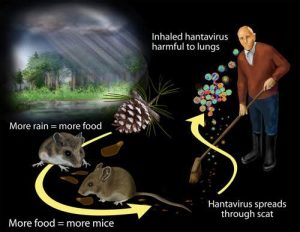
Hantavirus is primarily transmitted through contact with infected rodents — especially deer mice. That might sound like something that only affects rural areas, but here’s the reality: cases have been reported in suburban homes, cabins, garages, and even storage spaces.
What makes this virus particularly concerning is how it attacks the body. Early symptoms look harmless:
- Fatigue
- Fever
- Muscle aches
But within days, things can spiral fast. Patients can develop severe respiratory distress, a condition known as Hantavirus Pulmonary Syndrome (HPS), which can become fatal if not treated immediately.
According to health data, the mortality rate can be as high as 30–40% in severe cases. That’s not speculation — that’s documented.
The Real Problem: Lack of Awareness
Here’s where things get uncomfortable.
Many people assume that modern sanitation and urban living protect them. That’s not entirely true. Rodents don’t respect zip codes — and once they enter your space, the risk begins.
The virus can become airborne when dried rodent droppings or urine are disturbed. Something as simple as sweeping a dusty garage or opening an old shed could expose you.
Yet, public awareness campaigns remain limited.
Why?
Some experts argue that because outbreaks are relatively rare, widespread warnings could cause unnecessary panic. But others disagree, saying the lack of attention leaves people vulnerable.
Who Is Most at Risk?
You don’t have to be a farmer or outdoorsman to be exposed. Higher-risk groups include:
- Homeowners cleaning rarely used areas
- Campers and hikers
- Construction or renovation workers
- People living in rodent-prone regions
Even a short exposure can be enough.
Warning Signs You Should NEVER Ignore
If you’ve recently been in a dusty, enclosed area where rodents might be present and you develop:
- Sudden fever
- Shortness of breath
- Chest tightness
Don’t wait it out.
This is not the time for guesswork. Early medical intervention can be the difference between recovery and a life-threatening situation.
What You Can Do Right Now
Here’s the part most people skip — prevention.
- Never sweep or vacuum rodent droppings (this spreads particles into the air)
- Use disinfectant and proper protective gear
- Seal entry points in your home
- Store food securely
- Ventilate closed spaces before cleaning
These aren’t extreme measures — they’re basic steps that could save your life.
Final Thought
Hantavirus isn’t making daily headlines, and that’s exactly why it’s dangerous. It operates quietly, without mass attention, but with serious consequences.
The question isn’t whether it’s widespread — the question is whether you’re prepared if you encounter it.
Because by the time symptoms appear, you may already be in a race against time.
Leave a Reply