
Exploring an older home can feel like stepping into another era. Unlike modern houses with standardized layouts, older homes often contain layers of history shaped by renovations, repairs, and changing technologies. Homes built in the 1960s, in particular, are known for their unique construction methods and design quirks that may seem unusual today.
Attics are among the most interesting spaces in these homes. Often rarely visited, they become storage areas where decades of household history accumulate—old belongings, insulation layers, and forgotten items left untouched for years.
The Discovery
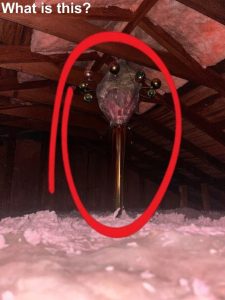
In a recent case, a homeowner decided to inspect their attic more closely. The space was dim, dusty, and filled with aging insulation. Wooden beams showed clear signs of time, and everything initially appeared normal for a house of that age.
Then something unusual stood out.
Hanging from the ceiling was an object that didn’t resemble any typical household item. It wasn’t stored away or placed casually—it was deliberately suspended from the structure.
This detail immediately raised questions.
Why It Was Unusual
Objects attached to attic beams are usually functional. They often relate to:
- Ventilation systems
- Electrical wiring or mounts
- Pest control setups
- Older mechanical or structural supports
However, this object didn’t clearly match any of these categories. It had no visible labels, no obvious connections, and didn’t seem part of any modern system.
Possible Explanations
The homeowner—and later online users—began speculating about its purpose. Some of the most common theories included:
- Old ventilation component – possibly part of an outdated airflow system
- Construction support – something used temporarily during building or renovation
- Obsolete mechanical part – from a system no longer in use
- Custom installation – designed for a very specific purpose by a previous owner
Older homes often contain such remnants because systems evolve over time. What was once standard decades ago may now be completely obsolete.
Why It’s Hard to Identify
Several factors make objects like this difficult to identify:
- Lack of documentation
- Changes made over multiple renovations
- Insulation covering surrounding context
- Removal of connected systems over time
Without clear context, even experts may need time to determine the exact purpose.
The Role of the Internet
When the discovery was shared online, it sparked debate.
People from different backgrounds offered interpretations based on their own knowledge and experience. This kind of collective problem-solving often helps uncover answers—but it can also lead to multiple conflicting theories.
Safety First
While curiosity is natural, unknown attic objects should be approached carefully.
They could be connected to:
- Electrical systems
- Structural elements
- Old or inactive mechanical setups
If there’s any doubt, it’s best to consult professionals such as:
- Home inspectors
- Electricians
- Contractors
This ensures both safety and accurate identification.
A Glimpse Into the Past
Beyond the mystery, discoveries like this highlight how homes evolve over time.
A single house may contain:
- Original construction elements
- Upgrades from different decades
- Layered materials from multiple renovations
These layers turn homes into physical timelines of past decisions and lifestyles.
Why It Matters
Even if the object’s purpose remains unknown, the experience itself is valuable. It reminds us that:
- Homes are not static—they change over time
- Everyday spaces can hold hidden stories
- The past often leaves subtle traces behind
Final Thought
The hanging attic object remains a mystery—for now.
It could be something simple and outdated, or something more unique tied to a specific moment in the home’s history.
But that’s what makes it interesting.
Even in the most familiar places, there are still things waiting to be discovered.
Leave a Reply