
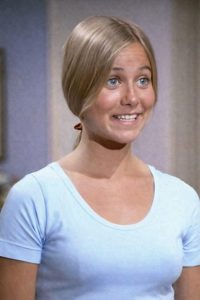
The story of The Brady Bunch remains one of the most fascinating and enduring chapters in the history of American television. More than just a simple family sitcom, it became a cultural symbol that reflected — and at times idealized — family life during a period of rapid social change in the United States.
When it first aired in 1969, the series introduced audiences to a blended household that was both unconventional for its time and warmly relatable. At its core, the show followed a widowed father with three sons who married a widowed mother with three daughters, creating a lively household of six children, two parents, and a devoted housekeeper.
While the premise was simple, it quietly introduced mainstream audiences to the idea of blended families—something still relatively uncommon on television at the time. The show maintained an optimistic tone, where conflicts were resolved quickly and harmony prevailed.
Behind the Scenes Reality
Despite its cheerful on-screen image, life behind the scenes was more complex. The young cast grew up under constant public attention, balancing professional responsibilities with the challenges of adolescence.
During its original run (1969–1974), the show achieved moderate success but was not considered a major hit. Critics often labeled it overly simplistic and disconnected from real societal issues of the time.
However, everything changed once the show entered syndication. Reruns introduced it to new generations, turning it into a beloved classic and leading to spin-offs, reunion specials, and films.
The Cast and Their Experiences
The actors who played the Brady children became widely recognized figures. Spending long hours together, they formed real friendships that often mirrored their on-screen family dynamic. At the same time, a sense of competition naturally developed among them.
One of the most prominent cast members was Maureen McCormick, who portrayed Marcia Brady. On screen, her character represented confidence and popularity. Off screen, however, her life was far more complicated.
As she grew older, McCormick faced emotional challenges and was later diagnosed with bipolar disorder. She also struggled with substance use, highlighting the often-hidden pressures faced by young actors in the entertainment industry.
Another cast member, Susan Olsen, who played Cindy, also experienced the difficulties of growing up in the spotlight. Like many teenagers, she navigated personal challenges—only under public scrutiny.
Relationships and Dynamics
The relationships among the cast sometimes extended beyond friendship. Notably, Barry Williams (Greg Brady) and Maureen McCormick developed real-life romantic feelings despite portraying siblings on screen. This created a unique challenge for the show’s producers, who needed to maintain the family-friendly image.
At the same time, the set was known for its humor and playful atmosphere. The cast often pulled pranks on each other, creating memorable behind-the-scenes stories. One well-known example involved a prank played on Florence Henderson, adding to the show’s legacy of lighthearted moments.
Improvisation also played a role in the show’s charm. Christopher Knight famously improvised the line about “pork chops and applesauce,” which became one of the most memorable moments in the series.
Cultural Impact and Legacy
Over time, The Brady Bunch became far more than just a sitcom. It influenced countless family-oriented shows that followed, helping normalize the idea of blended families in mainstream media.
Its lasting appeal comes from balancing idealism with relatable themes like:
- Sibling rivalry
- Personal growth
- Communication within families
While the show presented a polished version of family life, it resonated because of these universal experiences.
Final Reflection
The legacy of The Brady Bunch lies not only in its episodes but in the real stories behind them. The cast’s experiences—both joyful and difficult—offer insight into the realities of growing up in the spotlight.
In the end, the show remains a symbol of togetherness, storytelling, and the human need for connection. Its blend of simplicity and depth continues to attract new generations, proving that its message still holds value today.
Leave a Reply