
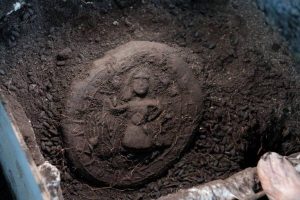
Archaeologists in Turkey have uncovered a remarkable discovery: five preserved loaves of bread believed to be around 1,300 years old, including one engraved with an image of Jesus Christ.
The rare find was made at the Topraktepe Archaeological Site, where the ancient city of Irenopolis once stood.
A Rare Survival Through the Centuries
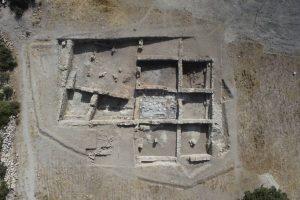
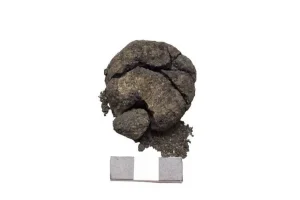
Organic materials like bread rarely survive for more than a few decades, let alone over a millennium. These loaves endured because they became carbonized—charred in a way that preserved them by limiting exposure to oxygen.
That natural process kept their shape and surface details intact, allowing researchers to study symbols and inscriptions still visible today.
Bread Marked With Faith
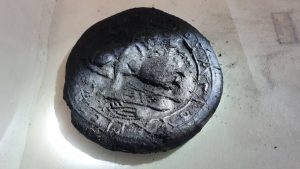
Most of the loaves were marked with the Maltese Cross, but one loaf stood out for containing a depiction of Jesus Christ along with a Greek inscription translated as:
“With our thanks to Blessed Jesus.”
Experts believe these loaves may have been made as communion bread for Christian rituals such as the Eucharist.
The Unusual “Farmer Christ” Image
What makes the discovery especially significant is the style of the image.
Rather than portraying the traditional majestic or divine form often associated with later Christian art, the loaf appears to show a lesser-known version sometimes called “Sower Jesus” or “Farmer Christ.”
This imagery likely connected Christ with:
- agriculture
- fertility
- harvest cycles
- labor and daily life
That interpretation fits the historical role of Irenopolis as an agricultural center.
What This Reveals About Life 1,300 Years Ago
The bread offers more than religious symbolism. It provides insight into everyday life in the Byzantine-era region:
- bread making techniques
- use of stamped religious imagery
- importance of farming communities
- blending of faith with local economy
- ceremonial food traditions
Simple objects like bread can reveal how ordinary people lived, worshipped, and worked.
Turkey’s Growing List of Bread Discoveries
This is not the first ancient bread discovery in Turkey.
Recent excavations also uncovered:
- an 8,600-year-old bread fragment at Çatalhöyük, believed to be the oldest known bread
- a 5,300-year-old loaf from a Bronze Age settlement
These finds suggest bread has held both practical and symbolic importance in the region for thousands of years.
Why It Matters
Artifacts made of stone or metal often survive history. Bread almost never does. That is what makes this discovery extraordinary.
A preserved loaf carrying the image of Jesus Christ gives historians a direct glimpse into a moment when spirituality and agriculture were deeply connected.
More than 1,300 years later, that message is still visible on its surface.
Leave a Reply