
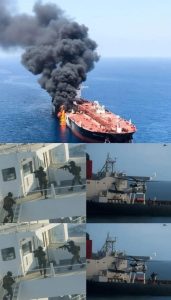
U.S. Maritime Security Operation Intercepts Suspicious Vessel in Strategic Waters
The vast and unpredictable nature of the world’s oceans has once again become the stage for a major security development. In a recent maritime operation, United States military forces reportedly intercepted and secured a vessel considered suspicious under international monitoring standards. The incident, said to have taken place in strategically important waters, has attracted attention from defense analysts, policymakers, and global observers.
At a time when major shipping lanes face increasing pressure from geopolitical tensions, sanctions enforcement, smuggling networks, and strategic competition, the operation highlights the continuing challenge of maintaining order at sea.
Why Strategic Waters Matter
Although officials have not publicly confirmed the exact location, reports suggest the interception occurred in a region critical to international trade. These maritime corridors are essential because they carry energy shipments, manufactured goods, food supplies, and raw materials between continents.
When unusual activity occurs in such zones, markets and governments often pay close attention. Disruptions in major waterways can affect fuel prices, shipping insurance costs, delivery schedules, and global supply chains.
How the Vessel Was Identified
Modern maritime security relies on advanced monitoring systems. Authorities commonly use:
- Satellite tracking
- Radar networks
- Intelligence sharing between allied nations
- Automatic Identification System (AIS) vessel signals
- Cargo registry and ownership databases
Suspicious behavior can include:
- Unusual route deviations
- Disabled tracking systems
- False or inconsistent registration data
- Unexpected cargo transfers at sea
- Attempts to avoid monitored shipping lanes
According to available reports, one or more of these warning signs triggered closer surveillance before the interception was ordered.
The Boarding Operation
Once approached, security personnel reportedly boarded the vessel under procedures consistent with international maritime law. Such missions are carefully managed to reduce risk for both naval teams and crew members onboard.
Typical boarding procedures include:
- Securing the vessel
- Verifying crew identity
- Reviewing documentation
- Inspecting cargo areas
- Examining communication and navigation systems
Officials have not yet released full findings from the inspection.
Why These Operations Happen
Maritime interdictions are not rare. Naval forces around the world regularly inspect vessels suspected of involvement in:
- Sanctions evasion
- Weapons trafficking
- Fuel smuggling
- Human trafficking
- Illegal fishing operations
- Fraudulent registration schemes
In recent years, so-called “dark ships” — vessels that disable tracking signals — have become a growing concern.
Bigger Global Significance
This incident reflects a wider shift in international security. Competition between states increasingly happens in gray zones rather than open conflict. Maritime pressure, covert supply movements, sanctions circumvention, and ambiguous commercial operations are all part of that environment.
Because over 80% of global trade by volume moves by sea, even isolated incidents can have wider consequences.
Human Side of the Story
Investigations also focus on crew welfare. In many cases, sailors working aboard suspicious vessels may have little knowledge of ownership structures or political objectives. Ships can be registered in one country, owned through shell companies in another, and staffed by multinational crews.
That complexity often makes accountability difficult.
What Happens Next
Authorities will likely continue reviewing:
- Cargo manifests
- Ownership records
- Electronic data logs
- Crew interviews
- Route history
- Communications records
If violations are confirmed, outcomes could include seizures, sanctions actions, prosecutions, or diplomatic responses.
Final Perspective
The captured vessel is only one case within a much larger global pattern. But it serves as a reminder that maritime security remains central to world stability. While many such operations receive little public attention, they play a major role in protecting trade routes, enforcing international rules, and reducing the risk of larger crises.
As the investigation continues, the broader message is clear: control of the seas still matters—and vigilance never stops.
Leave a Reply