
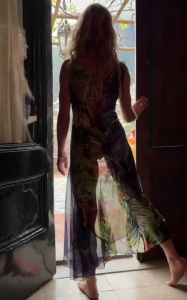
Our bodies often communicate things that words cannot. Every movement, every step, and every stance reflects something about our inner world. Whether you stand tall with confidence or sit in a more relaxed posture, your physical presence becomes a quiet form of expression. The way you hold yourself can reveal your emotional state, your mindset, and even your level of self-assurance.
Posture, in particular, acts as the body’s silent voice. Standing upright with relaxed shoulders and a lifted head can project confidence and calmness. On the other hand, a slouched posture may suggest fatigue, stress, or emotional weight. Interestingly, this connection works both ways—your posture doesn’t just reflect how you feel, it can also influence it. Studies in psychology show that adopting a more open and upright stance can actually increase feelings of confidence and readiness.
Your legs, as the foundation of your body, carry symbolic meaning as well. They represent stability, movement, and direction in life. Different natural stances can subtly reflect personality traits. A grounded stance, where legs are close together, may suggest calmness and reliability. A balanced stance often reflects self-control and inner stability. Meanwhile, a more open stance can signal confidence, independence, and a willingness to explore new experiences. None of these are better than the others—they are simply different expressions of energy and personality.
Movement adds another layer to this silent language. The way you walk, shift your weight, or gesture can reveal your mood and emotional state. Smooth and steady movements often reflect inner peace, while faster or more energetic motion may signal excitement or urgency. Even small changes in your walking style can indicate shifts in your mindset.
True confidence, however, does not come from perfect posture or appearance. It comes from feeling comfortable in your own body. A confident person doesn’t need to force their presence—they naturally carry themselves with ease. This kind of confidence can be developed through simple daily habits, such as being mindful of your posture, practicing positive self-talk, and becoming aware of how your body responds to different emotions.
Throughout history, many cultures have recognized the connection between body alignment and inner balance. Ancient traditions viewed posture not as a measure of perfection, but as a reflection of harmony between mind and body. Modern science supports this idea, showing that body language can affect mood, perception, and even social interactions.
In today’s world, where comparison is often encouraged, it’s important to shift focus from how your body looks to how it feels and functions. Your posture and movement are not meant to meet external standards—they are tools that help you navigate life. When you begin to appreciate your body for what it allows you to do, rather than how it appears, confidence develops naturally.
Walking, for example, is more than just a physical act—it’s a form of self-expression. Some people walk quickly with purpose, while others move more slowly and thoughtfully. Both styles are valid, and both reflect different approaches to life. Your gait becomes a reflection of your personal rhythm.
Emotions also live within the body. Stress may tighten your shoulders, while relaxation softens your posture. By becoming aware of these signals, you can better understand your emotional state and respond to it. Simple actions, like standing up straight and taking a deep breath, can help reset your mind and create a sense of calm.
In the end, posture is not about perfection—it’s about awareness. The way you stand, walk, and carry yourself tells a story of who you are and how you experience the world. Confidence is not something you suddenly achieve; it’s something you build step by step.
So instead of focusing on flaws, focus on presence. Stand naturally, move with intention, and recognize that your body already reflects strength and resilience. Every step you take is part of your journey—and your posture is simply the way you carry that story forward.
Leave a Reply